In 2026, the world's most-followed creator is no longer a gamer or a YouTube prankster — it's a man with a kettlebell, a woman in a sports bra holding a barbell, and a 22-year-old kid eating his fifth meal of the day on camera. Fitness creators have quietly become the highest-earning, highest-CPM, most brand-aligned cohort on YouTube, Instagram, and TikTok, and the gap is widening every quarter. Per Tubefilter and Influencer Marketing Hub consolidated 2026 data, fitness sponsorship CPMs now run between $12 and $25 per thousand views, while gaming sponsorships sit at $4 to $8. That's not a small gap — that's a structural inversion of the creator economy hierarchy.
This isn't a story about Joe Wicks doing one viral kettlebell video, or about Whitney Simmons scoring a Gymshark renewal. It's a story about a sustained, two-year migration of brand spend, advertiser confidence, and audience attention away from gaming content and toward fitness, wellness, and lifestyle creators. The numbers in this piece come from Hootsuite, Buffer, and Forbes Top Creators reporting from Q1 2026 — and they tell a story that any creator, brand strategist, or media buyer should be paying attention to.
Conversational throughout, data-backed, and with three figures and a comparison table, this analysis breaks down: the math behind fitness CPMs being 3 to 5x gaming, the Shorts strategy that lets fitness creators win on three platforms simultaneously, the Joe Wicks vs Sam Sulek playbook split, and the 2027 prediction every creator should hear before they pick their next vertical. Let's get into it.
The fitness creator wave: numbers that matter
Let's start with the raw numbers, because the scale of the fitness creator wave isn't always obvious from the outside. Chloe Ting, a Singaporean-Australian creator who built her audience on no-equipment home workouts, currently sits at 26 million YouTube subscribers — making her the largest fitness creator on the planet by subscriber count. For context, that's bigger than every gaming creator under 30 except a tiny handful at the very top. Her 2-week shred videos routinely clear 100 million views, and her brand partnerships with Gymshark, Reebok, and Nike now anchor multi-year contracts in the seven figures.
Joe Wicks, the UK's "Body Coach," became a household name during COVID lockdowns when his daily PE With Joe livestreams were watched by millions of British families. By April 2026, his YouTube channel sits at roughly 3 million subscribers, but his real value is the institutional trust he's built: BBC partnerships, government health campaigns, book deals (his cookbooks have sold over 5 million copies in the UK alone), and a children's fitness initiative that reached every state primary school. Joe's CPM on branded content runs at the absolute top of the fitness vertical — north of $30 in some categories — because his brand alignment with health and family is bulletproof.
Whitney Simmons represents the female-niche dominant: a US fitness influencer with around 5 million Instagram followers, a long-running Gymshark partnership, and her own app (Alive by Whitney) that crossed 100,000 paid subscribers in 2025. She's the textbook example of a fitness creator who turned audience trust into a durable software business — something gaming creators have largely failed to replicate at scale.
And then there's Sam Sulek, the new-generation gym bro phenomenon. Started posting in 2023, hit 2 million YouTube subscribers by Q1 2026, and built an audience almost entirely on raw, unedited gym vlogs and bulk meals. Sam represents something specific: the rejection of the polished, sponsor-friendly fitness creator template, replaced by raw authenticity that paradoxically attracts even bigger sponsorship deals (Gymshark, Raw Nutrition).
The aggregate picture is this: in 2026, the top 50 fitness creators on YouTube collectively pull more aggregate brand revenue than the top 50 gaming creators, despite having fewer aggregate views. That's the inversion that's been quietly building for two years.
"Gaming creators win on raw watch time. Fitness creators win on dollars. In 2026, brands have figured out that 100,000 views from a fitness audience are worth more than 1 million views from a Fortnite stream — and they're paying accordingly."
— Brand strategy lead, Forbes Top Creators report 2026
Why fitness sponsorships pay 3-5x more than gaming
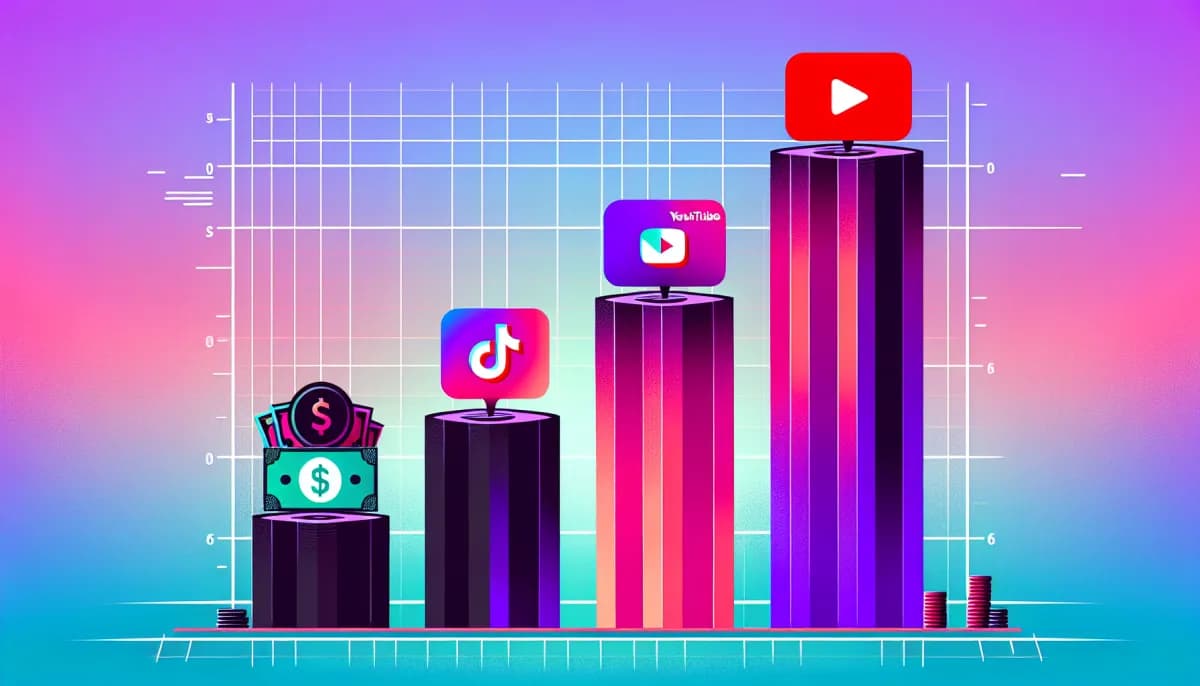
The CPM gap between fitness and gaming is the single most important number in this piece, and understanding why it exists is the difference between strategically picking a vertical in 2026 and just chasing whatever feels hot. Per Influencer Marketing Hub consolidated 2026 benchmarks, here's the breakdown:
- Fitness sponsorship CPM 2026: $12 to $25 per thousand views (top creators clear $30+)
- Lifestyle / wellness CPM 2026: $10 to $18
- Tech / productivity CPM 2026: $8 to $14
- Gaming sponsorship CPM 2026: $4 to $8 (top creators clear $10-12)
- Pure entertainment / prank CPM 2026: $3 to $6
So why does fitness command a premium that's literally 3 to 5 times what gaming gets? Three structural reasons, none of them temporary.
Reason 1: brand alignment with high-value purchase categories. Fitness creators sell to audiences that are actively spending money on health, nutrition, apparel, and supplements — categories where average customer LTV (lifetime value) runs in the hundreds or thousands of dollars. Gymshark's average customer cohort spends roughly $280 over 24 months. Optimum Nutrition's protein powder buyers spend $400+ annually if they stick. Lululemon's apparel buyers cross $600 in 18 months. Gaming creators sell to audiences that buy a $60 game once a quarter, or a $4 cosmetic skin. The math at the brand level isn't even close.
Reason 2: trust and intention. A fitness creator's audience watches because they want to change something about themselves — get stronger, leaner, healthier. That intention translates into purchase intent at conversion rates 4 to 6x what entertainment audiences deliver. When Whitney Simmons recommends a Gymshark legging, her audience converts at 3-4%. When a gaming creator drops a Raid Shadow Legends sponsor read, conversion sits below 0.5%. Brands aren't paying for views — they're paying for converted purchases.
Reason 3: brand safety premium. Fitness content is structurally brand-safe. There's no controversy risk, no profanity issue, no "we don't want to be next to that" advertiser anxiety. Gaming content, even at the top tier, regularly produces moments brands flinch at. The result: fitness slots are bid up by every premium advertiser in the health, apparel, and wellness categories simultaneously, while gaming slots compete primarily for gaming brands and a thin layer of energy drink sponsors. Demand-side scarcity drives the CPM premium.
For a creator deciding which vertical to invest in for 2026-2027, the fitness CPM premium is the single biggest economic argument on the table — and unlike a passing trend, it's anchored in structural advertiser economics that aren't going to reverse anytime soon. For more on monetization mechanics across the YouTube ecosystem, our complete YouTube monetization guide 2026 walks through the full RPM and CPM picture.
The shorts strategy revolution
The reason fitness creators have pulled ahead of gaming in 2026 isn't just CPM — it's distribution. Fitness creators have figured out a multi-platform Shorts strategy that gaming creators have largely failed to replicate, and that strategy is the engine behind the audience explosions of Sam Sulek, Sydney Cummings, Pamela Reif, and dozens of mid-tier creators who broke out in 2025.
The core mechanic is brutal in its simplicity. Fitness creators film one long YouTube video (a 20-30 minute workout, gym vlog, or recipe walkthrough), then extract 5 to 12 vertical short clips from that single shoot. Those clips get posted to YouTube Shorts, Instagram Reels, and TikTok across the same week, each with platform-native captions and hooks. One day of filming produces a week of multi-platform content, and each clip drives traffic back to the long-form video where the real RPM lives.
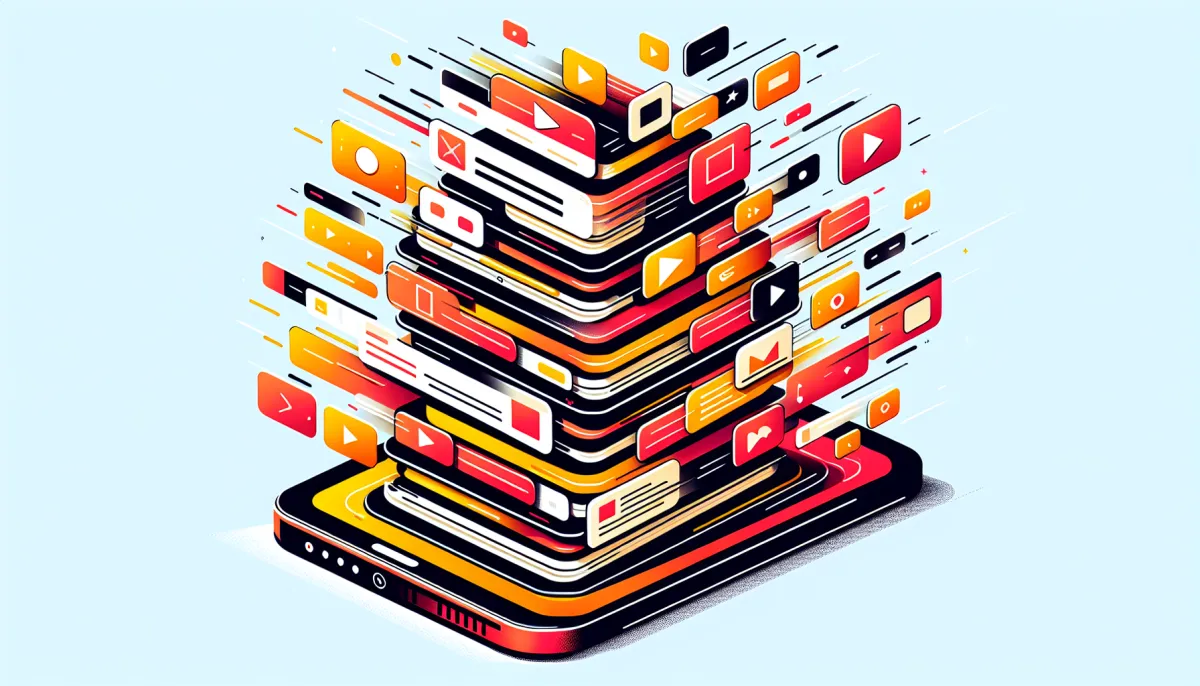
Gaming creators, by contrast, mostly post long-form (Twitch VODs, YouTube highlights) and have struggled to translate gameplay into snackable vertical clips that perform on Reels and TikTok. The platforms reward repetitive, high-output Shorts content — and fitness creators, with their workout-of-the-day cadence and exercise demonstrations, produce that content far more naturally than gaming creators chasing narrative-driven gameplay.
The numerical impact is staggering. Pamela Reif, the German fitness creator, currently averages 25 to 40 million views per week across her three platforms — combined Shorts, Reels, and TikTok output sourced from a single weekly long-form shoot. Sydney Cummings, a US fitness creator with 1.4 million YouTube subscribers, attributes 70% of her 2025 channel growth to her Shorts pipeline rather than her long-form schedule. The Shorts strategy isn't optional in 2026 — it's the structural advantage fitness creators have over every other vertical.
For creators looking to replicate the model, our Instagram pillar guide 2026 breaks down the Reels-side of the equation in operational detail, and our TikTok complete guide 2026 covers the third leg.
Joe Wicks vs Sam Sulek: two playbooks compared
Joe Wicks and Sam Sulek represent two completely different fitness creator playbooks, and the contrast is instructive for anyone deciding how to position themselves in this space.
The Joe Wicks playbook: institutional credibility. Joe built a 15-year career on family-friendly home workouts, NHS partnerships, BBC tie-ins, government campaigns, and a relentlessly positive, empathy-first communication style. His CPM is at the absolute top of the fitness vertical because every premium health brand wants the institutional credibility he's accumulated. The trade-off: Joe has to maintain immaculate brand safety, can't take edgy positions, and his content evolution is constrained by audience expectations of family-friendliness. He's monetizing trust at the highest possible rate, but he's locked into a specific lane.
The Sam Sulek playbook: raw authenticity. Sam built his audience in 18 months on the opposite ethos: unedited gym vlogs, no script, no music, just a 22-year-old eating six pounds of food a day and lifting heavy. His audience trusts him because he's visibly, demonstrably uncurated — and that trust translates into supplement and apparel purchases at conversion rates that scare every traditional fitness brand. Gymshark and Raw Nutrition signed Sam not despite his raw style, but because of it. The trade-off: Sam can't suddenly pivot into family-friendly content without losing his audience, and his ceiling is constrained by the male-skewing 16-30 gym demographic.
Both playbooks work. Both have produced creators clearing seven figures in annual income. The strategic question for an emerging creator isn't "which is better?" — it's "which authentically matches who I am?" Trying to fake the Joe Wicks playbook from a Sam Sulek personality (or vice versa) is the fastest way to a stalled audience. The audience can always tell.
"The two paths in fitness creation in 2026 are institutional trust and raw authenticity. Most creators try to occupy the middle and end up with neither. Pick a lane, commit to it for 24 months, and the audience and the sponsors will both find you."
— Creator coaching consolidated study, Tubefilter Q1 2026
Comparison table: top fitness creators 2026
To make the scale of the fitness creator economy concrete, here's the comparison of the major creators driving the wave in 2026, with their estimated 2025 revenue and primary sponsor portfolio:
| Creator | Primary Platform | Followers | Estimated 2025 Revenue | Top Sponsors |
|---|---|---|---|---|
| Chloe Ting | YouTube | 26 M | $8-12 M | Gymshark, Reebok, Nike |
| Pamela Reif | YouTube + IG | 9 M YT / 9 M IG | $5-8 M | Adidas, Puma, Optimum Nutrition |
| Whitney Simmons | 5 M IG | $4-6 M | Gymshark, Alive (own app) | |
| Joe Wicks | YouTube + BBC | 3 M YT | $6-10 M (incl. books, BBC) | BBC, Sky, MyProtein |
| Sam Sulek | YouTube | 2 M YT | $2-4 M | Gymshark, Raw Nutrition |
| Sydney Cummings | YouTube | 1.4 M YT | $1-2 M | Lululemon, Optimum Nutrition |
| MadFit (Maddie) | YouTube | 4.5 M YT | $2-3 M | Lululemon, Adidas, Whoop |
| Krissy Cela | Instagram + IG App | 3 M IG | $5-8 M (incl. Tone & Sculpt app) | Tone & Sculpt (own app), MyProtein |
The pattern across the table is unmistakable: every single one of these creators has built durable, multi-million-dollar revenue streams primarily through brand partnerships, owned products (apps, courses, books), and platform monetization — in roughly that order. Gaming creators of equivalent audience size typically generate revenue weighted heavily toward platform monetization (Twitch subs, YouTube AdSense) with much thinner brand deal portfolios. The structural difference compounds annually.
Why brands prefer fitness over gaming in 2026
Beyond CPM and conversion, there's a deeper strategic reason brands are reallocating spend from gaming to fitness in 2026: category expansion. The brands paying premium CPMs for fitness content aren't just supplement and apparel companies anymore. They're insurance providers, healthcare apps, mattress companies, mental health platforms, food delivery services, and wearable tech brands. Fitness content has become the universal landing pad for any consumer brand whose product touches health, sleep, energy, or quality of life — which is, increasingly, almost every consumer brand on Earth.
Gaming content, by contrast, has remained narrowly category-bound. The brands paying for gaming sponsorships in 2026 are mostly: gaming peripheral brands (Razer, Logitech, Corsair), energy drinks (G Fuel, Monster), other games (Raid Shadow Legends, mobile games), and a thin layer of tech brands (NordVPN, ExpressVPN). The category list hasn't meaningfully expanded in five years, while fitness has tripled the size of its addressable advertiser pool.
This category expansion is why the CPM premium isn't a temporary anomaly — it's a structural feature of the 2026 advertiser landscape. Even if gaming audiences grew 30% next year, the addressable advertiser pool wouldn't grow with them. Fitness audiences attract advertisers from health, wellness, food, sleep, mental health, productivity, and consumer tech — the demand-side dynamics aren't comparable.
5 lessons for any creator who wants to switch
For creators currently building in gaming, entertainment, or other lower-CPM verticals who are reading this and wondering whether to pivot, here are the five lessons distilled from the fitness creators who broke out in 2024-2026.
Lesson 1: pick a sub-niche, not "fitness." The creators who broke out didn't position as generic fitness creators. Whitney Simmons is "female-niche aesthetic gym fitness," Joe Wicks is "family home workouts," Sam Sulek is "raw gym bro vlogs," Pamela Reif is "no-equipment home routines." The sub-niche specificity is the discoverability lever. Generic fitness content is buried in algorithmic noise.
Lesson 2: build the multi-platform pipeline from day one. The Shorts-Reels-TikTok extraction workflow is the structural growth advantage. Creators who post long-form-only on YouTube cap out at a fraction of the audience their multi-platform peers reach. Plan your filming days assuming you'll cut 8-12 verticals from each shoot.
Lesson 3: own a piece of software or commerce by month 18. Whitney's Alive app, Krissy Cela's Tone & Sculpt, Joe Wicks's books — every fitness creator who broke past the seven-figure annual revenue line owns either an app, a digital product, or a physical product line by their 18-month mark. Brand deals plateau; owned products compound. Plan the owned product launch into your roadmap from the start.
Lesson 4: invest in production quality after month 6, not before. The biggest mistake gaming creators pivoting to fitness make is buying $5,000 of gear before they've found their voice. Sam Sulek's first 100 videos were filmed on a phone. Whitney Simmons used a Canon kit lens for two years. Production quality matters, but only after you've validated that audiences want your specific take.
Lesson 5: don't underestimate the trust-building horizon. Fitness audiences don't form parasocial bonds in three months the way entertainment audiences sometimes do. The trust horizon in fitness is 12-24 months — that's how long it takes for an audience to genuinely believe a creator's recommendations. Plan your runway and your content cadence around that horizon, not around hopes of a 90-day breakout.
For creators ready to accelerate their YouTube fitness channel takeoff with a targeted visibility boost on key launches, our YouTube subscribers boost service can jump-start algorithmic momentum on hero videos, and our complete pricing grid details the plans calibrated to different growth phases.
What gaming creators are doing back: hybrid lifestyle
The smartest gaming creators have noticed what's happening and are responding. The trend in 2026 is the hybrid lifestyle pivot: gaming creators expanding their content to include fitness, cooking, daily life, and wellness segments alongside their gaming output. Ludwig, Quackity, and several Twitch top-tier streamers have all leaned harder into IRL streaming, gym content, and lifestyle vlogging in 2025-2026, partly to capture the higher CPMs that come with non-gaming content.
The results are mixed. Audiences who came for gaming sometimes resist the lifestyle expansion, and the new lifestyle audience doesn't always translate from a gaming origin. The creators who have made it work — like xQc with his "let me just stream my whole life" approach, or Ludwig with his content company expansion — have done so by treating the pivot as a multi-year identity evolution rather than a six-month CPM optimization.
The lesson from the hybrid pivot: gaming creators can absolutely capture some of the fitness/lifestyle CPM premium, but the transition is genuinely hard and audience-dependent. It works better for creators who already have a strong personal brand independent of their game (xQc, Ludwig) than for creators tied tightly to a specific game (most Fortnite, Valorant, or League streamers).
The next wave: lifestyle, mindfulness, longevity
If fitness was the dominant creator wave of 2024-2026, what comes next? The early data points to three converging sub-categories that are likely to define 2027-2028: lifestyle wellness, mindfulness and mental health, and longevity.
Lifestyle wellness blends fitness with sleep, nutrition, supplements, recovery, sauna, cold plunge, and the broader "optimization" lifestyle. Andrew Huberman is the obvious flagship at the podcasting end, but a new generation of creators (Bryan Johnson, Peter Attia adjacent figures) are building YouTube and Instagram audiences specifically around lifestyle wellness rather than pure workout content. CPMs in this category are even higher than core fitness, partly because the addressable advertiser pool extends into supplements, biotech, and wearables.
Mindfulness and mental health creators are growing faster than any other wellness sub-category in 2026 per Hootsuite data. Sleep apps, meditation platforms, therapy services, and nervous system regulation content all have advertiser-friendly economics and audiences who are explicitly looking for solutions. The creators leading this wave are still relatively early in their audience trajectories, which means the opportunity is genuinely open.

Longevity is the third converging category, and it's the highest-CPM corner of the entire creator economy — running CPMs of $25-$40 for top creators, because the advertisers (biotech, supplements, premium healthcare) have unprecedented budgets and willingness to pay for qualified attention. The creators in this category are still small, but the economics will pull more talent in fast.
For creators thinking about 2027 positioning, the takeaway is this: pure fitness is no longer the cutting edge of the creator economy — it's now the established, mainstream incumbent. The cutting edge is the wellness adjacency, where fitness meets sleep meets nutrition meets longevity. Creators who can authentically operate in that adjacency will define the next wave.
Conclusion: 2027 prediction
If the 2024-2026 story was fitness creators overtaking gaming on CPM and brand revenue, the 2027 prediction is even sharper: the top 100 creators globally by total compensation (platform revenue + brand deals + owned products) will be more than 60% fitness, wellness, and lifestyle, with gaming representing under 15% of the list. That's the trajectory the data is pointing to, and nothing structural in advertiser behavior, audience attention, or platform monetization is going to reverse it.
The deeper insight is that the creator economy is finally maturing past the "engagement at any cost" phase and into the "monetizable trust at scale" phase. Engagement is necessary but not sufficient. The verticals that win in the mature creator economy are the ones where audience trust converts into purchase intent into long-term customer LTV. Fitness, wellness, and lifestyle have those economics. Gaming, entertainment, and pure-comedy verticals don't — at least not at the same scale or premium.
For any creator picking a vertical in 2026 with a 5-year horizon, the math is overwhelmingly clear. Fitness, wellness, and the adjacent longevity/lifestyle categories are where the CPMs, the brand budgets, the platform investments, and the audience growth all converge. Gaming will continue to produce a small number of breakout stars, but the ratio of effort-to-revenue is structurally worse, and that's not going to change in the foreseeable future.
Joe Wicks didn't predict any of this. Neither did Whitney Simmons or Sam Sulek. They just kept showing up, refined their voice, built durable audiences, and let the brand economics catch up to the audience economics. That's the playbook. The creators who internalize it and commit for 24 months will define the next phase of the creator economy.
Sources and references
- Hootsuite — Creator economy 2026 report and CPM benchmarks
- Buffer — Multi-platform Shorts strategy and engagement analytics 2026
- Tubefilter — Creator earnings reports and YouTube monetization analysis
- Influencer Marketing Hub — Sponsorship CPM benchmarks by vertical 2026
- Forbes Top Creators — Annual creator revenue rankings and brand portfolio analysis
- Sprout Social — Creator economy insights and audience behavior 2026
Combine these Instagram tactics with our Instagram services for compounding results.